Personalized Elderly Care: The Power of Small Assisted Living Neighborhoods
Business Name: BeeHive Homes of Amarillo
Address: 5800 SW 54th Ave, Amarillo, TX 79109
Phone: (806) 452-5883
BeeHive Homes of Amarillo
Beehive Homes of Amarillo assisted living is ideal for those who value their independence but require help with some of the activities of daily living. Residents enjoy 24-hour support, private bedrooms with baths, medication monitoring, home-cooked meals, housekeeping and laundry services, social activities and outings, and daily physical and mental exercise opportunities. Beehive Homes memory care services accommodates the growing number of seniors affected by memory loss and dementia. Beehive Homes offers respite (short-term) care for your loved one should the need arise. Whether help is needed after a surgery or illness, for vacation coverage, or just a break from the routine, respite care provides you peace of mind for any length of stay.
5800 SW 54th Ave, Amarillo, TX 79109
Business Hours
Families hardly ever start looking for elderly care on a calm afternoon with lots of time. More frequently, it begins after a late night phone call, a fall, a medical facility discharge, or the slow awareness that a partner or adult child simply can not keep up with growing care needs. In those minutes, the senior care landscape can feel like a maze of lingo and glossy brochures.
One of the most important distinctions, and one that frequently gets overlooked, is the difference in between large institutional facilities and small assisted living neighborhoods. The size of a setting shapes almost every aspect of every day life for an older adult, from how rapidly personnel notice a change in cravings, to whether someone sits alone at breakfast, to how with confidence you sleep at night knowing your parent is safe.
Over the last 15 years dealing with families and care teams, I have seen again and once again how small, relationship-based neighborhoods can transform elderly care. They are not an ideal suitable for everyone, but they typically provide a level of customization that bigger environments struggle to match.
This post looks carefully at why size matters in assisted living, how small communities work when they are done well, and what practical signs families can expect when evaluating choices, consisting of respite care stays.
What "small" assisted living really indicates in practice
The phrase "small assisted living" covers a variety of designs. At one end are residential care homes, often called board-and-care homes or adult family homes, which often serve 4 to 12 locals in a single house. At the other end are boutique assisted living neighborhoods with 20 to 40 homeowners, designed intentionally to stay well listed below the hundred-plus locals discovered in lots of senior living campuses.
Regardless of licensing category, small communities share a couple of typical features:
They run on a human scale. Personnel can usually call every resident without looking at a chart. When the nurse strolls into the living-room, she recognizes who prefers organic tea, who prevents dairy, and who deals with sundowning in the late afternoon.
They blur the line in between "facility" and "home." Citizens typically share typical areas such as a family-style dining room, a small garden, and a living room with genuine furnishings, not rows of similar chairs. The environment intends to support both self-respect and comfort.
They run leaner hierarchies. Instead of layers of supervisors, small homes typically have a supervisor or owner who is present and hands-on. Choices about care changes, activities, or menu modifications can be made rapidly, with far less bureaucracy.
They rely heavily on culture and relationships. A small community can not conceal bad care behind a big activities calendar or an expensive lobby. Families see the very same faces on each visit, and it becomes very clear whether there is heat, perseverance, and consistent follow-through.
This scale moves the focus of assisted living far from logistics and towards the actual lived experience of elderly care.
Why personalization matters so much in elderly care
Personalized care is not a high-end add-on in senior care. It is main to health, security, and quality of life, specifically when someone deals with multiple chronic conditions, moderate cognitive disability, or early dementia.
Older grownups hardly ever fit nicely into checklists. One resident might have congestive heart failure and diabetes but still be a passionate garden enthusiast who awakens early. Another may be physically robust but nervous, with a history of anxiety and a strong preference for privacy. A third might have limited English, high fall threat, and strong cultural or religious regimens that specify the rhythm of the day.
Standardized "care plans" can look excellent on paper yet stop working in reality if they are not continuously changed in action to the resident's everyday patterns. This is where smaller assisted living environments tend to excel:
Staff notice subtle modifications. When caregivers see the exact same 8 to 20 homeowners every day, they acknowledge what is typical for each person. A partial breakfast, a missed joke, or a shorter-than-usual walk may trigger a quiet check-in that prevents a larger problem.
The environment gets used to the person, not the other method around. For example, I once worked with a small community where one resident, a retired baker, tended to wander during the night. Instead of just medicating or limiting him, staff created a safe, low-stimulation "late night cooking area" ritual where he might knead dough with supervision and then settle more easily. It fit his long-lasting regular and dramatically lowered agitation.
Preferences carry weight. Whether somebody consumes with adaptive utensils, showers at a certain time, or takes part in spiritual routines, those preferences end up being a typical part of the day, not "unique demands."
All of this is possible in larger senior living neighborhoods in theory. In practice, it requires an abnormally cohesive culture and strong staffing levels. In smaller settings, personalization is the default, not the exception.
The psychological safety of being known
When older grownups move into assisted living, they lose a lot at once: home, next-door neighbors, routines, even control over small things like what brand of coffee they consume. A small neighborhood can not eliminate that loss, but it can soften the emotional impact.
Residents tend to form much deeper relationships faster in smaller groups. It is much easier to keep in mind names when there are fifteen rather than eighty. Mealtimes feel like a home event rather than a snack bar. For individuals who tire quickly or feel overwhelmed by noise, this quieter scale can be the difference between participating and pulling back to their room.
From the household's viewpoint, emotional security shows up in a different way. You want to know:
Who will be with my mother when she is confused or frightened at 3 a.m.?
Who notices if my father lingers too long in the bathroom or appears except breath?
Who detects the early signs of a urinary tract infection before it results in a hospitalization?
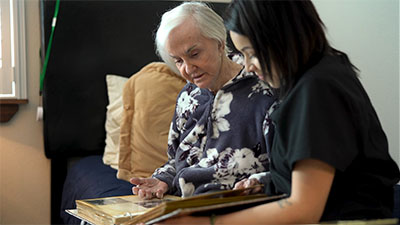
In a well-run small assisted living neighborhood, the responses are not abstract job titles. They are specific individuals, with faces and histories: "That will generally be Maria or Thomas at night. They understand precisely how to soothe her when she wakes up uncertain where she is." That individual connection constructs trust that no written policy can match.
Small assisted living vs bigger facilities: important trade-offs
Small settings are not immediately much better. There are genuine benefits and restrictions to both small and big designs, and it helps to weigh them honestly.
Here is an uncomplicated comparison to ground your thinking.
-
Atmosphere and social environment
Big facilities can use more varied activities and peer groups. Someone who flourishes on variety, enjoys big group events, or wants on-site praise services and physical fitness classes may appreciate a larger campus. On the other hand, a small assisted living community generally provides more intimate events, simpler day-to-day rhythms, and more spontaneous interaction, such as talking over folding laundry or assisting water plants. -
Staffing patterns
Bigger senior care organizations may utilize a wider variety of professionals on-site: full-time nurses, therapists, activity directors, dietitians. Smaller homes typically rely on a smaller core team and outdoors companies, like going to nurses or home health companies. That stated, caregiver-to-resident ratios can be stronger in small homes, particularly at nights and weekends, because there are fewer layers of jobs and residents in each unit. -
Flexibility and responsiveness
In a large building, altering dining choices or changing the everyday schedule for one person can be difficult. Systems are built for efficiency. Small communities are often more active. If a resident's daughter requests a weekly video call at a particular time, it is simpler for a small team to include that as a routine. -
Cost and value
Rates vary extensively by area, but small residential care homes are frequently similar in price to mid-range assisted living facilities, sometimes slightly lower, often greater if they supply very high touch care. Large campuses might use tiers of pricing and the marketing appeal of resort-style facilities. The key concern is not simply "What does it cost each month?" however "What exactly happens during those hours, and how does that align with my parent's top priorities and needs?" -
Progression of care needs
Large senior living schools frequently market "aging in location," with assisted living, memory care, and often knowledgeable nursing in one location. Some small homes likewise offer memory care or very high levels of support, but not all. Households ought to ask straight how the neighborhood manages intensifying movement, late-stage dementia, or end-of-life care. A thoughtful small home will be in advance about its limitations and how it supports shifts, including hospice.
The best choice depends on the person's personality, medical intricacy, social needs, and family scenario. A highly social extrovert with steady health may grow in a larger setting, while somebody with stress and anxiety and early dementia may feel lost in the same environment yet settle perfectly into a small assisted living community.
How small communities reinforce medical safety
One typical issue families voice about small settings is whether their loved one will be clinically safe. They imagine a big facility with a nurse's station and compare it to a comfortable home with no apparent medical infrastructure.
Regulations vary by state and country, however respectable small assisted living homes run with clear care procedures, medication management, and access to health experts. In a lot of cases, the level of day-to-day oversight is stronger just because fewer locals slip in between the cracks.
A couple of useful elements stand out.
Medication management
With a restricted number of citizens, medication rounds can be more focused. Staff have time to confirm whether the resident in fact swallowed tablets, to keep an eye on for side effects, or to question a brand-new prescription that does not seem to fit the person's history. Households are frequently looped in quickly when something looks off, which can make discussions with physicians more effective.Monitoring for changes
Small shifts in condition are often observed more quickly. A caregiver who assists with dressing every early morning may discover a new trembling, a pressure sore beginning, or confusion that was not there recently. Due to the fact that the chain of communication is much shorter, those observations are more likely to translate into action.Fall prevention
No environment gets rid of falls, but small homes typically have a better view of citizens' genuine movement and danger patterns. Staff know who tends to get up during the night without calling, which path they generally require to the bathroom, and how steady they look on any provided day. They can adjust guidance or suggest a physical therapy consult promptly.Coordination with household and providers
Rather of passing messages through several layers of personnel, households often speak directly to the manager or owner when issues emerge. A quick call to a primary care service provider to clarify an order, or to set up a home health evaluation, is more likely to happen when the leader is hands-on and knows the resident personally.None of this eliminates the requirement for families to stay engaged. However in my experience, when a small assisted living neighborhood is well handled, families end up being real partners in care rather than peripheral observers.
The role of respite care in discovering the right fit
Respite care is short-term senior care that offers household caretakers a break and provides a trial run in a helpful environment. It can last from a few days to several weeks or more, depending on local regulations and the neighborhood's policies.
Small assisted living neighborhoods can be perfect settings for respite stays, especially in these scenarios:
A spouse is tired from full-time senior care near me caregiving and requires time to recover physically or emotionally.
An adult child should travel for work or a family event and can not safely leave the older parent alone.
The family is thinking about a move to assisted living however wishes to see how the parent changes before making a long-lasting commitment.
The resident is transitioning from hospital or rehabilitation and requires more support than home alone however does not need a knowledgeable nursing facility.
During respite care in a small home, staff can find out the person's patterns and preferences rapidly. The environment is typically simpler to browse, which lowers the stress of a brand-new setting. Households gain a practical understanding of how their loved one functions with routine assistance, instead of guessing based upon a hurried healthcare facility discharge plan.
I have actually seen circumstances where a two-week respite stay revealed that an older adult was far more puzzled at night than household recognized, or that they loved set up medication and meals, putting on weight and stability. In other cases, the senior returned home with services like in-home assistants and fall-prevention modifications, delaying the need for full-time assisted living. The trial assisted everyone make choices based upon evidence instead of fear.
What to search for when visiting a small assisted living community
Brochures and sites rarely inform the full story. The quality of elderly care in a small setting shows up in daily habits and interactions, not marketing language. When you visit, trust both your eyes and your instincts.
Here is one focused checklist you can bring with you, as your first enabled list:
-
Watch the body language
Notice how staff engage with residents. Do they make eye contact, crouch to the resident's level, address them by name, and listen? Or do they discuss locals, rush, or appear distracted? -
Smell and sound
A faint smell of cooking or cleaning is typical. Strong smells of urine or heavy air freshener recommend persistent issues. Listen for continuous alarms, yelling, or blasting televisions. A small home should feel silently busy, not chaotic. -
Staffing presence
Count the number of staff you see, and ask how many are on duty for the existing variety of locals, both daytime and overnight. In a group of 8 to 12 citizens, seeing at least two caretakers on duty most of the day is a great beginning point, though local regulations vary.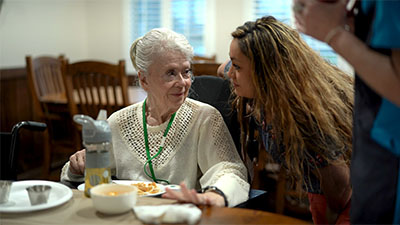
-
Resident engagement
Search for indications that homeowners are doing something significant, not simply being in front of a tv. Engagement can be easy, like folding towels, chatting at the kitchen area table, or listening to music. The concern is whether individuals appear awake to their own day, not sedated by boredom. -
Leadership accessibility
Ask who is accountable for day-to-day operations and how frequently they are on-site. If you can not satisfy the supervisor or owner within a reasonable time, or they appear unenthusiastic in your concerns, take that seriously.
One visit hardly ever provides the full photo. If possible, visit at different times of day, consisting of nights or weekends, and inquire about trying a brief respite care stay before devoting long term.
Respecting uniqueness in the details
The strength of a small assisted living community often appears in the tiniest details. These details seem trivial on a tour, however they form how a person feels about life from the minute they wake up.
Wake and sleep times
In a task-driven environment, residents are frequently woken and worn batches, depending upon staff routines. In a more personalized home, staff will adjust within reason. Some citizens rise at 6 a.m. And want coffee right away. Others sleep in and choose a peaceful early morning. Keeping those natural rhythms helps preserve orientation and mood.Food as relationship
Meals are more than nutrition. They anchor the day and, for numerous older adults, link them to culture, memory, and enjoyment. In a small senior care setting, kitchen staff (frequently the exact same people as caretakers) can find out private tastes, textures, and religious constraints. Serving familiar dishes, even as soon as a week, can raise a resident's spirits much more than any formal activity.Cultural and spiritual practices
In big facilities, programs may reflect a "most affordable common denominator" approach. Small neighborhoods that invest in understanding each resident's background can weave simple yet effective practices into daily life: stating a specific prayer before supper, marking specific vacations, arranging for visits from clergy or neighborhood volunteers. This sort of respect is not symbolic, it goes to the heart of an individual's identity.End-of-life care
Numerous families do not want to consider this when admission is first talked about, yet it matters tremendously. In a small assisted living home that teams up closely with hospice, the last months can be calmer, more individual, and often more dignified. Personnel who have understood the resident for many years can support both the passing away individual and the family with a sort of presence that is hard to standardize.When a small community is not the right choice
As much as I promote for small, relationship-based care, it is important to recognize cases where a larger or more medical setting may be safer or more appropriate.
Highly intricate medical care
If somebody requires regular IV medications, ventilator support, or continuous cardiac tracking, that usually exceeds the scope of assisted living, small or large. A skilled nursing facility or specialized unit may be essential, at least for a period.Severe behavioral challenges
People with advanced dementia who exhibit aggressive, unpredictable, or sexually disinhibited habits may put others at threat in a small home. Specialized memory care systems with higher staffing levels and safe environments might be better equipped, though quality differs widely.Significant rehabilitation needs
Strong choice for extensive amenities
Some older grownups truly desire the features of a larger campus: multiple dining locations, swimming pools, concierge services, on-site performances. If those features genuinely boost their every day life and they can browse the environment safely, a larger setting might align much better with their preferences.The secret is to match the environment to the person, not the other way around. That requires truthful discussion, not marketing promises.
Partnering with a small community for shared care
Families sometimes fear that when a parent moves into assisted living, they will be sidelined. The healthiest small communities see things in a different way. They see household relationships as a possession, not an inconvenience.
This partnership can take numerous kinds:
Regular interaction about modifications, both medical and emotional.
Involvement in care planning, including modifications in regimens or preferences.
Shared problem solving when issues emerge, such as sleep disturbances, resistance to bathing, or conflict with another resident.
Openness to household rituals, such as bringing preferred foods, celebrating cultural holidays, or signing up with for meals.
To cultivate this partnership, it assists to set expectations early. Throughout preliminary conferences, ask the manager how they prefer to interact, how typically they upgrade households, and how they handle arguments. The method they respond informs you a good deal about the culture you are stepping into.
Final ideas: choice, self-respect, and scale
Elderly care is an intimate, typically emotionally charged area. No single model of assisted living fits every person. Yet size and scale shape almost every element of life in senior care, from how quickly a brand-new cough is discovered to whether a resident feels like a person or a room number.
Small assisted living communities, when run thoughtfully and morally, can deliver a level of customization that is difficult to match in larger settings. They provide a human-scale alternative, where being known and seen belongs to every day life, not a periodic highlight.
For families at the crossroads of choice, it helps to step back from marketing pledges and ask three useful questions:
Is this a location where my parent will be recognized as a specific, not handled as a task?
Can I image genuine people, not task titles, sitting with them on a tough day or an uneasy night?
Do I feel that the scale of this community makes attention, responsiveness, and compassion most likely, not less?
If your answers lean towards yes in a small setting, it deserves checking out that course, possibly starting with respite care. Individualized elderly care is not a motto. In the right small assisted living neighborhood, it is the fabric of day-to-day life.
BeeHive Homes of Amarillo provides assisted living care
BeeHive Homes of Amarillo provides memory care services
BeeHive Homes of Amarillo provides respite care services
BeeHive Homes of Amarillo supports assistance with bathing and grooming
BeeHive Homes of Amarillo offers private bedrooms with private bathrooms
BeeHive Homes of Amarillo provides medication monitoring and documentation
BeeHive Homes of Amarillo serves dietitian-approved meals
BeeHive Homes of Amarillo provides housekeeping services
BeeHive Homes of Amarillo provides laundry services
BeeHive Homes of Amarillo offers community dining and social engagement activities
BeeHive Homes of Amarillo features life enrichment activities
BeeHive Homes of Amarillo supports personal care assistance during meals and daily routines
BeeHive Homes of Amarillo promotes frequent physical and mental exercise opportunities
BeeHive Homes of Amarillo provides a home-like residential environment
BeeHive Homes of Amarillo creates customized care plans as residents’ needs change
BeeHive Homes of Amarillo assesses individual resident care needs
BeeHive Homes of Amarillo accepts private pay and long-term care insurance
BeeHive Homes of Amarillo assists qualified veterans with Aid and Attendance benefits
BeeHive Homes of Amarillo encourages meaningful resident-to-staff relationships
BeeHive Homes of Amarillo delivers compassionate, attentive senior care focused on dignity and comfort
BeeHive Homes of Amarillo has a phone number of (806) 452-5883
BeeHive Homes of Amarillo has an address of 5800 SW 54th Ave, Amarillo, TX 79109
BeeHive Homes of Amarillo has a website https://beehivehomes.com/locations/amarillo/
BeeHive Homes of Amarillo has Google Maps listing https://maps.app.goo.gl/avxAXn336jPCWXwv7
BeeHive Homes of Amarillo has Facebook page https://www.facebook.com/BeehiveAmarillo/
BeeHive Homes of Amarillos has YouTube channel https://www.youtube.com/@WelcomeHomeBeeHiveHomes
BeeHive Homes of Amarillo won Top Assisted Living Homes 2025
BeeHive Homes of Amarillo earned Best Customer Service Award 2024
BeeHive Homes of Amarillo placed 1st for Senior Living Communities 2025
People Also Ask about BeeHive Homes of Amarillo
What is BeeHive Homes of Amarillo Living monthly room rate?
The rate depends on the level of care that is needed. We do an initial evaluation for each potential resident to determine the level of care needed. The monthly rate is based on this evaluation. There are no hidden costs or fees
Can residents stay in BeeHive Homes of Amarillo until the end of their life?
Usually yes. There are exceptions, such as when there are safety issues with the resident, or they need 24 hour skilled nursing services
Does BeeHive Homes of Amarillo have a nurse on staff?
No, but each BeeHive Home has a consulting Nurse available 24 – 7. if nursing services are needed, a doctor can order home health to come into the home
What are BeeHive Homes of Amarillo visiting hours?
Visiting hours are adjusted to accommodate the families and the resident’s needs… just not too early or too late
Do we have couple’s rooms available?
Yes, each home has rooms designed to accommodate couples. Please ask about the availability of these rooms
Where is BeeHive Homes of Amarillo located?
BeeHive Homes of Amarillo is conveniently located at 5800 SW 54th Ave, Amarillo, TX 79109. You can easily find directions on Google Maps or call at (806) 452-5883 Monday through Sunday 9:00am to 5:00pm
How can I contact BeeHive Homes of Amarillo?
You can contact BeeHive Homes of Amarillo Assisted Living by phone at: (806) 452-5883, visit their website at https://beehivehomes.com/locations/amarillo, or connect on social media via Facebook or YouTube
Take a short drive to the Cellar 55 It offers a warm and inviting atmosphere making it a great destination for assisted living, memory care, senior care, elderly care, and respite care residents to enjoy a relaxed, flavorful meal together.