How to Compare Assisted Living Homes for Quality Senior and Elderly Care
Business Name: BeeHive Homes of Amarillo
Address: 5800 SW 54th Ave, Amarillo, TX 79109
Phone: (806) 452-5883
BeeHive Homes of Amarillo
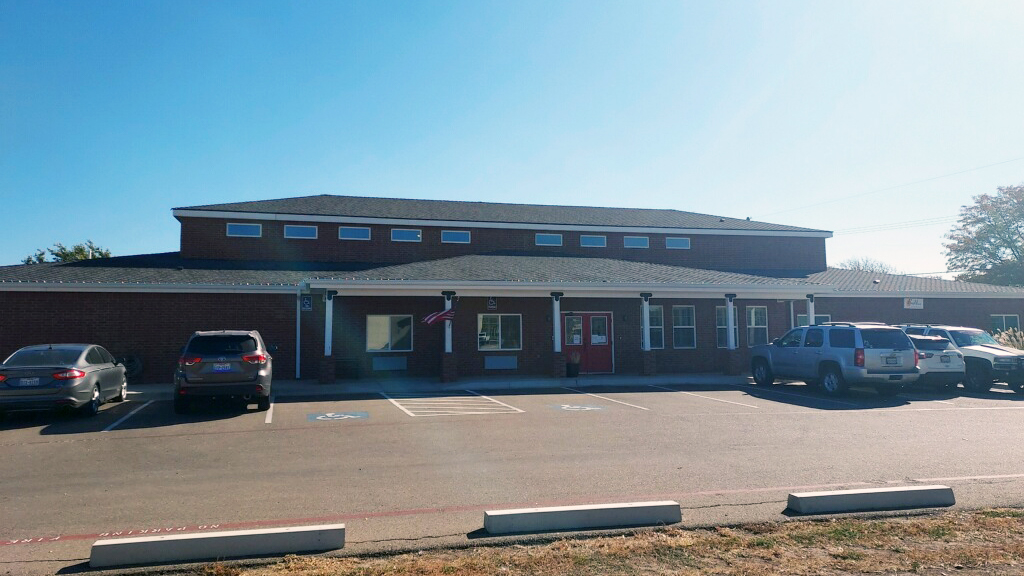
Beehive Homes of Amarillo assisted living is ideal for those who value their independence but require help with some of the activities of daily living. Residents enjoy 24-hour support, private bedrooms with baths, medication monitoring, home-cooked meals, housekeeping and laundry services, social activities and outings, and daily physical and mental exercise opportunities. Beehive Homes memory care services accommodates the growing number of seniors affected by memory loss and dementia. Beehive Homes offers respite (short-term) care for your loved one should the need arise. Whether help is needed after a surgery or illness, for vacation coverage, or just a break from the routine, respite care provides you peace of mind for any length of stay.
5800 SW 54th Ave, Amarillo, TX 79109
Business Hours
Choosing an assisted living home is among those decisions that feels both useful and deeply personal. You are not just comparing floor plans and fees. You are choosing who will discover when Mom skips a meal, who will stroll next to Dad on the slick walkway after rain, who will call you at midnight if something is incorrect.
Having walked households through this procedure for years, I have actually seen how overwhelming it can be initially. The good news is that quality in senior care shows up once you know where to look. It appears in personnel behavior, in how residents spend their afternoons, in how quickly a call light is addressed, and even in the odor when you stroll through the door.
This guide focuses on how to compare assisted living homes in a grounded, useful method, consisting of how to think about respite care, longer term senior care, and complicated elderly care needs.
Start with a clear photo of requirements, not buildings
Most families start by touring communities and looking at decoration. The better starting point is a completely honest conversation about needs, threats, and preferences.
Ask yourself, and your loved one if they can get involved meaningfully: What exactly do they need help with right now? And what is likely to alter over the next 1 to 3 years?
Activities of daily living are an easy framework. Do they require cuing or hands-on support with bathing, dressing, toileting, moving, consuming, or managing medications? Someone who just needs light pointers can grow in an extremely different setting from somebody who requires assist with standing securely or handling incontinence.
Look beyond physical requirements. Cognitive issues such as moderate amnesia, confusion at night, or difficulty following multi-step instructions affect what type of assisted living will work. A person with early dementia may succeed in a small, structured neighborhood, while someone with significant roaming or exit-seeking habits may require a safe memory care environment rather of general assisted living.
Finally, tease out preferences that are more than "nice to have." Does your father illuminate in a small, peaceful group, or does your mother gain energy from a busy social calendar? A mismatch here does disappoint up on the very first tour, but it matters a lot in the long run.
If requirements doubt, consider a duration of respite care first. A short remain in a neighborhood, typically 2 to 6 weeks, can be a lower-risk way to see how your loved one functions with personnel support and how the home actually runs day to day.
Understanding levels of care: assisted living, respite care, and beyond
The expressions "assisted living," "independent living," and "nursing home" get utilized loosely, and state guidelines differ, so it helps to clarify what each generally means.
Assisted living typically provides real estate, meals, help with personal care, medication management, and social activities for grownups who do not need 24-hour nursing supervision. Numerous neighborhoods can handle moderate levels of physical and cognitive problems, however there is a limitation. They are not health centers, and they are shortly term severe care facilities.
Respite care is short-term senior care, frequently inside an existing assisted living or experienced nursing facility. Families use it when a main caretaker requires a break, is recovering from surgical treatment or disease, or wants to "test drive" common living for a loved one. The essential thing with respite is to ensure the same staffing, services, and security standards use to respite homeowners as to long-term residents. A respite stay need to not feel like being a visitor on the margins.
Memory care is a special subset of assisted living or residential care designed for individuals with Alzheimer's disease or other dementias. Personnel training, building style, and day-to-day regimens are tailored to cognitive impairment. Not every elderly care community has true memory care, even if they say they "can manage dementia," so ask particularly about devoted programs and safe units.
Skilled nursing centers (nursing homes) provide 24-hour nursing care and more intricate medical management. Some assisted living providers will describe themselves as "aging in place" neighborhoods, meaning a resident can stay there as needs increase. Ask what takes place when somebody requires two-person transfers, nightly incontinence care, or advanced wound management. The answer tells you where the genuine line is in between assisted living and proficient nursing because setting.
Understanding these differences upfront assists you compare the ideal sort of homes, instead of falling in love with a location that can not securely fulfill your loved one's future needs.
Building a practical shortlist
The internet makes it easy to pull a list of options, however online reviews for senior care need to be checked out with care. They tend to overrepresent extremely delighted and very upset households and typically reflect a single minute in time, not the consistent reality.
Start by filtering based on non-negotiables: place relative to essential relative, budget range, whether they can deal with specific medical conditions (for instance, insulin-dependent diabetes, oxygen usage, or substantial movement limits), and whether they provide respite care if that becomes part of your plan.
Next, talk with professionals who see lots of facilities, not simply one. Hospital discharge organizers, geriatric social workers, and home health nurses know which puts send homeowners back to the healthcare facility frequently, which ones interact well, and which ones appear chronically brief staffed. Their casual opinions are typically more precise than glossy marketing.
When you call each community, take notice of how that first discussion feels. Do you talk with somebody who listens, asks good follow-up questions, and gives specific responses, or somebody who reads from a script and invites you to "come tour" before attending to any concerns? The method the front office elderly care treats you as a potential customer often mirrors how they handle households when issues arise.
Aim for 3 to five communities on your shortlist. That is generally adequate to see genuine differences without burning yourself out.
What to try to find on the very first visit
A tour is not just about seeing the rooms. It is your opportunity to observe the culture, staffing, and everyday rhythm of the place.
Try to show up a little early and sit in the lobby or typical area. Watch interactions before anyone knows you are on a tour. Are staff welcoming homeowners by name? Do residents look engaged, or do they appear parked in front of a tv? A community that feels alive at 2 p.m. On a random weekday often has its act together.
Smell matters. A faint odor of cleaning products or periodic bathroom smell is regular in elderly care settings. A prevalent urine odor or heavy air freshener masking something worse normally reflects chronic understaffing or lax housekeeping.
Ask to see not just the best design system however likewise a space presently inhabited, with the resident's permission. Search for useful information: get bars in the right places, shower style that supports someone who is unsteady, emergency call systems reachable from bed and bathroom, and thermostats residents can control.
Meals are central to lifestyle in assisted living. If possible, visit during a meal and sit with homeowners. Notification portion sizes, whether food looks tasty, and whether staff help with dignity with cutting food or opening containers. Ask locals what happens if someone does not show as much as meals. In a well-run community, personnel check-in patterns catch these modifications early.
Activities calendars tell one story. The real activity room often tells another. Pop your head in throughout an activity. Are three individuals sitting silently while an employee half-heartedly scans a book, or exists genuine engagement lined up with locals' abilities? People with arthritis might not desire arts and crafts but might delight in conversation groups or easy card video games. Real senior care adapts activities to who lives there, not the other method around.
A focused pre-visit checklist
Used briefly and attentively, a simple list can keep you from missing basics during the stress of touring.
- Confirm they can fulfill your loved one's current medical, movement, and cognitive requirements, consisting of any special concerns such as roaming, oxygen, or complex medications.
- Ask for base rates, care level fees, and what is included in each, then compose them down for later on contrast.
- Check licensure status and the date of the most current state study or examination, and ask if there were any major shortages.
- Clarify whether they accept short-term respite care, long-term citizens, or both, and whether care expectations vary between them.
- Schedule your visit at a time when regular activities happen, not during staged occasions or open houses.
Staffing: the backbone of quality care
Nice paint and chandeliers do not help if there are not enough qualified hands on the floor. When comparing assisted living homes, staff levels and stability are more predictive of excellent elderly care than amenities.
Ask candidly about staffing ratios. Laws vary, and lots of communities will not estimate tough numbers, but they need to be able to explain typical staffing on days, evenings, and nights for your loved one's care area. If they evade the concern or offer just vague responses like "we staff to satisfy requirements," that is a moderate warning sign.
Pay close attention to how direct care staff interact with homeowners. Search for eye contact, respectful language, and mild physical cues. If somebody calls residents "feeders" or "two-persons" within your earshot, that is the culture speaking, not just an individual.
Tenure matters. A building where the nurse has been there for six years, the activities director for 4, and numerous aides for more than 2 years has discovered ways to retain people. High turnover leads to irregular care and missed out on information, specifically when subtle modifications in habits may be the first indication of infection or medication side effects.
Ask what sort of training personnel get on dementia, fall prevention, and managing tough behaviors. A community that appreciates senior care beyond basic tasks will invest in continuous education, not just a single orientation day.
Safety, health, and medical oversight
Even in assisted living, medical issues arise daily. The question is not whether your loved one will require assistance, however how quickly and thoughtfully the neighborhood will respond.
Ask who is on website and when. Some centers have actually signed up nurses only during weekday service hours, with on-call protection in the evening. Others have licensed nurses on site 24/7. For someone with intricate conditions or a history of frequent hospitalizations, 24-hour nursing is worth the additional cost.
Clarify how medications are managed. Do nurses or trained medication aides manage administration? How are brand-new orders interacted from physicians, and how are errors reported and handled? When mistakes take place, you desire a group that is sincere, apologetic, and focused on avoiding a repeat.
Falls are one of the most typical emergencies in elderly care. Inquire about their fall avoidance program. Do they assess each resident's danger, change environments, and follow up after a fall with modifications to the care plan, or do they just document and carry on? Ask for concrete examples, not simply assurances.
Finally, understand how they interact with households about health changes. Some neighborhoods phone households for every minor incident, which can be frustrating but comforting. Others just require major events. You will need to know which style fits your expectations and how versatile they can be.
The feel of life: autonomy, dignity, and routine
Good assisted living is not just safe, it supports a significant life. As you compare communities, focus on how they handle option and dignity.
Residents need to have real input into everyday regimens. Ask whether individuals can choose what time they awaken, when they shower, and whether they can opt out of activities without pressure. A stiff schedule is much easier for staff, however it typically deteriorates a sense of self for citizens who have actually led independent lives for decades.
Dignity displays in small information. How do staff manage incontinence care? Do they knock and wait before getting in rooms? Are grooming and clothes choices appreciated? An older woman who constantly used precious jewelry must not unexpectedly look neglected because staff do not have time or interest to assist her keep that part of her identity.
Food versatility is another crucial piece. Are there alternatives if somebody does not like the main meal, and can they accommodate unique diets without making the resident feel like a burden? Senior care that treats meals only as fuel misses a crucial social and psychological anchor.
Look also at how locals move through the building. Are they easily strolling, sitting in various lounges, talking with each other, or mainly separated in their spaces? Neighborhoods that support casual event spaces and motivate mild movement often have less behavioral concerns and better total mood.
Financial clarity and long-term sustainability
Cost typically becomes the hardest part of the choice once you find a location you like. Assisted living rates can be stealthily intricate, and households are often amazed by how quickly fees rise as care requirements increase.

Most operators structure charges with a base rate for real estate and fundamental services, plus tiered care levels. Ask for composed descriptions of each level and the requirements used to assign them. Then ask how often care levels are reassessed, and how they inform households of changes. An unexpected dive from one level to another can add hundreds or thousands of dollars per month.
If your loved one may ultimately count on Medicaid or other public benefits, ask whether the community accepts these, and under what conditions. Some locations accept Medicaid just after a private-pay duration of a year or more. Others do not accept it at all, which suggests a move may be needed when funds run low.
For respite care, understand whether the day-to-day or weekly rate really includes all services your loved one will require. Some centers estimate a relatively low respite rate that excludes medication management or greater levels of assistance, then add considerable charges once the stay begins.
It assists to forecast expenses over at least three years, considering most likely boosts in care needs, normal annual rate walkings, and for how long existing funds may last. A slightly less glamorous community that your family can afford for numerous years often makes more sense than a lovely setting that forces a disruptive move after 18 months.
Red flags that deserve your attention
Every community will have flaws. The objective is not to discover a perfect location, however to distinguish workable peculiarities from severe problems. Particular patterns tend to signify much deeper issues.
- Staff speak negatively about locals or other staff in front of you, or you overhear regular arguing or problems at the front desk.
- Residents repeatedly push call buttons that go unanswered for long periods, or you see unsafe situations (damp floors, messy corridors) left unaddressed.
- Leadership prevents direct answers about studies, citations, or grievances, or ends up being defensive when you ask detailed concerns about care.
- The activities calendar looks enticing, but during your visit you see little or no real engagement, with the majority of citizens sitting idle.
- You feel rushed, pressed to sign rapidly, or prevented from speaking with existing citizens or families without personnel present.
If two or more of these appear consistently, treat that as meaningful data, regardless of how impressive the structure looks.
Small versus large neighborhoods: trade-offs to consider
Families often ask whether a smaller "board and care" style home or a bigger assisted living structure is better. The response depends on your loved one's character, needs, and what matters most to you.

Smaller homes, often accredited for 6 to 10 locals, can feel more like a traditional home. Staff understand everyone thoroughly, and routines are typically versatile. For someone who gets quickly overwhelmed by sound and crowds, this can be perfect. Nevertheless, smaller homes may have less structured activities and restricted on-site medical oversight.
Larger neighborhoods normally provide broader activity programs, on-site features such as hair salons or treatment health clubs, and a larger mix of peers. Extroverted citizens or those who enjoy group occasions typically prosper in these environments. The compromise is that it can feel institutional, and without strong leadership, people may get lost in the crowd.
When comparing, try to imagine your loved one on a quiet Tuesday afternoon, not throughout a vacation party. Where would they feel more at ease, more themselves? That mental image can help cut through marketing and concentrate on fit.
Using respite care as a trial run
If you are deeply not sure, a short respite care remain in your leading choice can be vital. It provides your loved one a chance to experience assisted living without a complete dedication and gives you a clearer window into everyday operations.
Approach respite as a severe test, not a vacation. Supply accurate medical information, normal routines, and habits patterns. Check how personnel adjust to those information, how they record changes, and how they interact with you throughout the stay. If personnel appear continuously surprised by info you shared at admission, that informs you about internal interaction, not just a single missed out on note.
Pay attention to your loved one's feedback, even if it is filtered through cognitive impairment. "They never ever come when I call" or "I am lonely here" may show real concerns, or it might show the agonizing modification of leaving home. Probe gently, ask specifics, and compare what you hear with your own observations and staff reports.
Sometimes households discover that the care is exceptional, but the timing is incorrect and self-reliance can continue securely in the house for a while longer. Other times, a hesitant parent blooms with brand-new friends and structure. Either way, you are choosing based upon lived experience, not simply tours.
Pulling it together: how to compare once you have toured
After you have visited a few neighborhoods, information blur. Create a simple record for each place: what you saw, what personnel said, what locals informed you, how your gut felt. Consist of both practical points such as pricing and care capacity, and softer impressions such as warmth, sound level, and total energy.
Reflect on a couple of guiding questions:
Which place did I feel comfy leaving my loved one alone in, at 9 p.m. On a rainy night?
Where did I see staff acting in ways I would be happy to see my own family mimic? Which community appeared most truthful about what they can not do, not just what they can?Often, a pattern emerges. One neighborhood might be plainly stronger clinically but weaker socially. Another may feel warm and pleasant, however battle with higher-acuity citizens. There is rarely an ideal match. Rather, you pick the very best balance of security, dignity, social connection, and sustainability for your situation.
When you find that balance, assisted living can be even more than a place to live. It can be a setting where senior care specialists support your loved one's independence, where respite care offers family caregivers real rest, and where elderly care is not just a service, however a relationship.
Taking the time to compare thoughtfully is one of the very best presents you can provide both your loved one and yourself.
BeeHive Homes of Amarillo provides assisted living care
BeeHive Homes of Amarillo provides memory care services
BeeHive Homes of Amarillo provides respite care services
BeeHive Homes of Amarillo supports assistance with bathing and grooming
BeeHive Homes of Amarillo offers private bedrooms with private bathrooms
BeeHive Homes of Amarillo provides medication monitoring and documentation
BeeHive Homes of Amarillo serves dietitian-approved meals
BeeHive Homes of Amarillo provides housekeeping services
BeeHive Homes of Amarillo provides laundry services
BeeHive Homes of Amarillo offers community dining and social engagement activities
BeeHive Homes of Amarillo features life enrichment activities
BeeHive Homes of Amarillo supports personal care assistance during meals and daily routines
BeeHive Homes of Amarillo promotes frequent physical and mental exercise opportunities
BeeHive Homes of Amarillo provides a home-like residential environment
BeeHive Homes of Amarillo creates customized care plans as residents’ needs change
BeeHive Homes of Amarillo assesses individual resident care needs
BeeHive Homes of Amarillo accepts private pay and long-term care insurance
BeeHive Homes of Amarillo assists qualified veterans with Aid and Attendance benefits
BeeHive Homes of Amarillo encourages meaningful resident-to-staff relationships
BeeHive Homes of Amarillo delivers compassionate, attentive senior care focused on dignity and comfort
BeeHive Homes of Amarillo has a phone number of (806) 452-5883
BeeHive Homes of Amarillo has an address of 5800 SW 54th Ave, Amarillo, TX 79109
BeeHive Homes of Amarillo has a website https://beehivehomes.com/locations/amarillo/
BeeHive Homes of Amarillo has Google Maps listing https://maps.app.goo.gl/avxAXn336jPCWXwv7
BeeHive Homes of Amarillo has Facebook page https://www.facebook.com/BeehiveAmarillo/
BeeHive Homes of Amarillos has YouTube channel https://www.youtube.com/@WelcomeHomeBeeHiveHomes
BeeHive Homes of Amarillo won Top Assisted Living Homes 2025
BeeHive Homes of Amarillo earned Best Customer Service Award 2024
BeeHive Homes of Amarillo placed 1st for Senior Living Communities 2025
People Also Ask about BeeHive Homes of Amarillo
What is BeeHive Homes of Amarillo Living monthly room rate?
The rate depends on the level of care that is needed. We do an initial evaluation for each potential resident to determine the level of care needed. The monthly rate is based on this evaluation. There are no hidden costs or fees
Can residents stay in BeeHive Homes of Amarillo until the end of their life?
Usually yes. There are exceptions, such as when there are safety issues with the resident, or they need 24 hour skilled nursing services
Does BeeHive Homes of Amarillo have a nurse on staff?
No, but each BeeHive Home has a consulting Nurse available 24 – 7. if nursing services are needed, a doctor can order home health to come into the home
What are BeeHive Homes of Amarillo visiting hours?
Visiting hours are adjusted to accommodate the families and the resident’s needs… just not too early or too late
Do we have couple’s rooms available?
Yes, each home has rooms designed to accommodate couples. Please ask about the availability of these rooms
Where is BeeHive Homes of Amarillo located?
BeeHive Homes of Amarillo is conveniently located at 5800 SW 54th Ave, Amarillo, TX 79109. You can easily find directions on Google Maps or call at (806) 452-5883 Monday through Sunday 9:00am to 5:00pm
How can I contact BeeHive Homes of Amarillo?
You can contact BeeHive Homes of Amarillo Assisted Living by phone at: (806) 452-5883, visit their website at https://beehivehomes.com/locations/amarillo, or connect on social media via Facebook or YouTube
Amarillo Botanical Gardens provide beautiful plant displays and tranquil paths that enrich assisted living, memory care, senior care, elderly care, and respite care outings.